
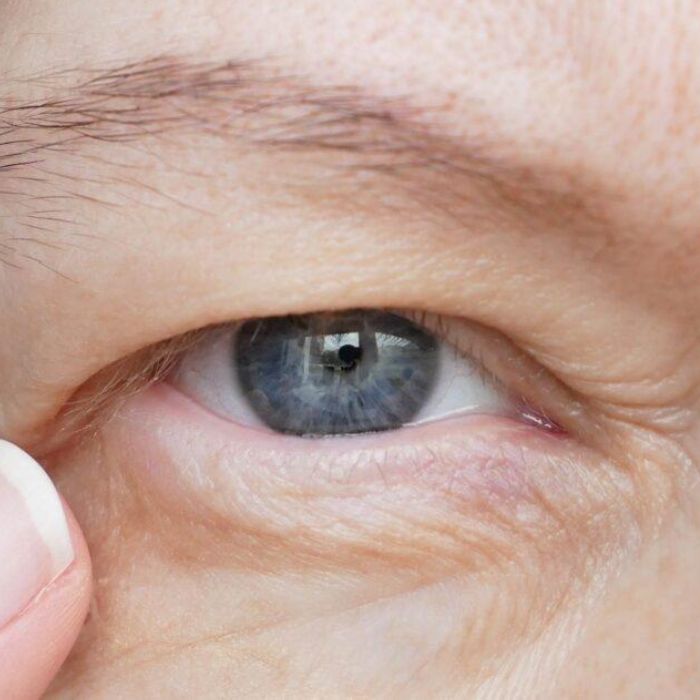
Eyelash extensions droopy eyelids
Many women of various ages are looking for ways to get rid of their hooded eyelids. Special eye creams and massages are usually not very effective for hooded lids.
But are Botox injections and surgical procedures really necessary? Or can lash extensions successfully conceal hooded lids?
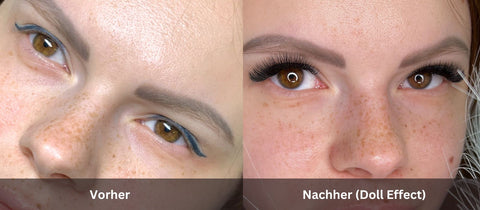
Concealing Hooded Eyelids with Lash Extensions – Does It Work?
For clients with hooded lids it’s important to know how to choose the right shape, curl, and length. This allows the stylist to make the eyes appear wider and more open.
Extended lashes effectively hide irregularities like hooded lids—provided you select the correct effect and curl.
Usually only experienced stylists can master this task successfully.
After all, the lash artist must decide which curl best suits each hooded lid to achieve a perfect extension result.
Several factors matter here: how heavy the upper lid is, the natural eye shape, and so on.
Lash Extensions for Hooded Eyelids
For eyes with such special lids, the stylist should choose dense volume and long lashes. That way, this unwanted anatomical feature is well concealed.
Depending on the severity of the hooded lids, not only extensions but also volume building may be necessary. In other words, use fans with more lashes (e.g., 3D or higher) rather than just one extension per natural lash.
You must consider both the client’s overall look and the condition of her natural lashes when choosing volume.
Lash Extensions for Hooded Lids – Goals
- Visually heavy lids should be as well hidden as possible
- The eyes should look larger after extension
- The shape should be subtly altered
- The look should ideally have a rejuvenating effect
This particular feature of the upper eyelid doesn’t only occur in older women. A lash stylist will encounter it sooner or later—even if all her clients are young.
To give every client the best result, you need to adapt to her individual eye shape and facial features and choose the lash extensions accordingly.
As mentioned earlier, you must carefully choose extension length, curl, and effect. The art lies in not making the lashes too voluminous or unnaturally long.
Otherwise, you draw more attention to the eyes than necessary—since the goal is to conceal hooded lids.
It’s crucial to assess the type, size, and symmetry of the skin fold precisely.
Which Curl and Thickness for Lash Extensions?
To cleverly hide each client’s anatomical features, you must decide on shape, length, volume, and curl before performing extensions on hooded lids.
For example, overly long lashes can be counterproductive, as the tips may press against the lids and cause irritation.
Four Options for Choosing the Right Curl:
- C+ If the client’s natural lashes grow straight or slightly upward
- D If the client’s natural lashes grow downward
- M A universal curl that works almost always. Our tip: use M if none of the above seems suitable
Our Recommendation: D+ from Blackness!
Because the curls of Blackness lashes are designed for an incredibly natural result, we recommend their D+ curl for concealing.
Click HERE to view Blackness lashes!
What Is the Right Thickness for Droopy Lids?
Since this type of eyelid often appears in women of a certain age, it’s important to adapt volume, effect, and curl selection to the client’s age.
An effect that looks great on a young woman might be “over the top” for someone over 50.
Our recommendation for hooded lids (especially older clients) is a maximum thickness of 0.07 mm.
What Is the Best Volume for Working with Hooded Lids?
Because older clients’ natural lashes are often weaker, they cannot support very large fans. Since larger volume helps conceal hooded lids, we recommend using thinner lashes.
Which Extension Effect to Choose for Hooded Lids?
The choice of effect (shape) also plays a major role when working with this lid type.
Essentially, lash shapes fall into two groups:
Group A: Round effects – for example, Doll Eye, Butterfly (Oval), Squirrel
Group B: Elongated effects – Cat Eye, Fox Effect, Eyeliner Effect, etc.
Round effects often make the eyes look larger, while elongated effects can visually space close-set eyes further apart.
Since hooded lids already make the eyes appear smaller, round effects from Group A are particularly suitable.
Cat Eye Look for Hooded Lids?
The Cat Eye look is an elongated effect that further narrows the eye shape instead of making the eye look more open.
If a client with hooded lids asks for a Cat Eye look, explain that it would make her eyes appear even smaller.
Therefore, Cat Eye, Fox Effect, and Eyeliner Effect are not suitable for hooded lids!
Recommended Effects for Hooded Lids:
Squirrel Effect – The longest lashes are placed under the brow arch. This special length conceals hooded lids beautifully and makes the client’s eye shape appear slightly larger.

Doll Effect is created by fixing lashes of equal length along the lash line. Near the outer corner the length is slightly reduced. For clients with a round eye shape and a sagging lid, another effect is preferable.
The Doll Effect is ideal for clients with an Asian eye shape and slight hooding. Often the lash artist will extend both upper and lower lashes.

Butterfly Effect (Oval) arises from the ultra-thin, lightweight material of the extensions. The flutter of these lashes resembles a butterfly’s wings. Because the material is lightweight, there’s no downturned look. Generally these lashes resemble the Fox Effect.

We hope this demonstrates that you don’t necessarily need surgery thanks to lash extensions.
The extra volume and length make the hooded fold less visible, while the right lash line shape makes the eyes appear more open.
You can find the best lash extensions for this purpose in our shop!
Since this is a challenging task, beginners should leave it to more experienced colleagues.
If you want to know why high-quality lashes matter, read this blog post:
4 REASONS TO CHOOSE HIGH-QUALITY LASH EXTENSIONS